Twenty Minutes of Nerve: Who Actually Soundtracks a Manchester Gig Before the First Band
Photo: PattayaPatrol, CC BY-SA 4.0, via Wikimedia Commons
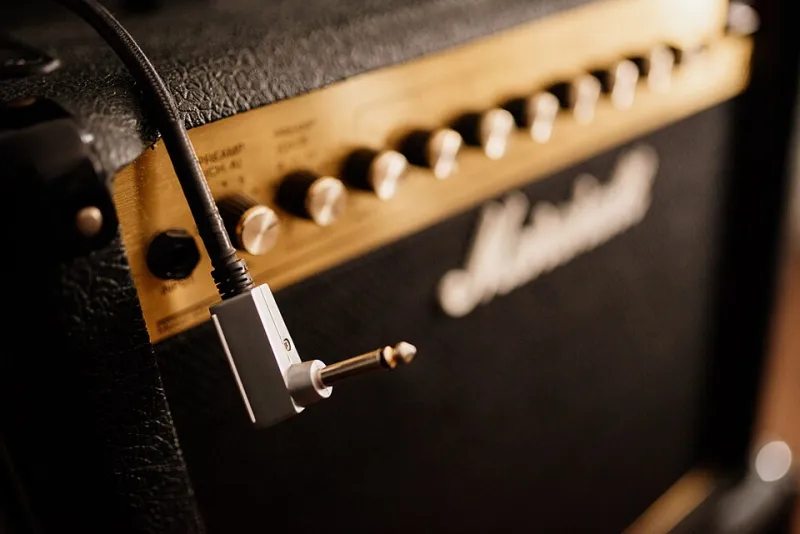
Doors at seven. First support at half past. In between sits one of the least glamorous and most consequential jobs in a Manchester gig night: filling the room with sound before anyone has played a note. The playlist that runs from the moment the door clicks open to the second the first band steps up is not background noise. It is the handshake between the venue and the audience, and it is usually controlled by whoever has the aux cable, the venue iPad or the promoter’s phone.
The aux is a rented responsibility
In small rooms across the Northern Quarter, Ancoats and Salford, the pre-gig soundtrack is rarely the work of a named DJ. It is a bar shift task, a promoter’s afterthought or a sound engineer’s last job before doors. One booker who has run gigs in Salford and the city centre for the better part of a decade describes it as “a hospitality job that people treat like a technical job.” The person choosing the songs is not just filling silence. They are telling a room what kind of night it is about to have.
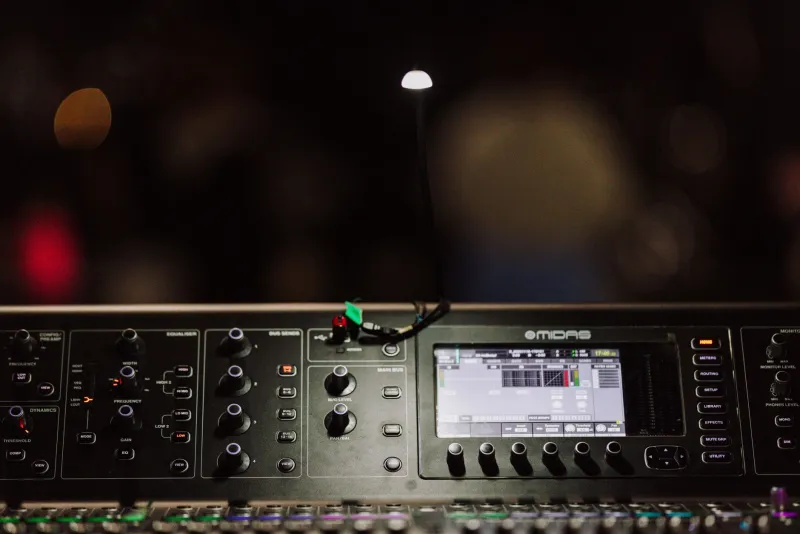
That responsibility gets passed around. At some venues, the bar manager builds a monthly playlist and the door staff press play. At others, the promoter arrives with a carefully sequenced Spotify list and a stern instruction not to let anyone touch it. In a few rooms, the sound engineer controls the aux because they are the only person who knows how to stop the house music from clipping the PA before the first mic check.
Licensing, algorithms and the death of the personal playlist
There is a boring but important reason why the pre-gig playlist is often a venue-wide subscription rather than someone’s personal account. Playing recorded music in public requires TheMusicLicence, the combined PPL PRS licence that covers both the sound recording and the composition. Venues pay for it, and the licence shapes what gets played. A staff member’s cheery indie playlist is technically fine under the licence, but the venue still needs to know it is happening. That is why some managers keep a locked-down playlist and why “just put your phone on” is not always the simple favour it sounds like.
The streaming era has made the job easier and worse. Easier because anyone can build a playlist in ten minutes. Worse because the algorithm rewards familiarity. A room can end up hearing the same three songs that every other venue played last weekend. One promoter in south Manchester says they now ban “the obvious ones” from the pre-gig hour because the audience recognises them from every other gig they have been to that month. The goal is atmosphere, not a shared national playlist.
Local-only rules and the politics of the first hour
A handful of Manchester rooms have started running local-only policies for the pre-gig window. The rule is simple: between doors and the first band, the music comes from Greater Manchester artists. It is partly a statement of intent and partly a practical warm-up. The audience hears the city before it hears the touring band. The venue signals that it is plugged into a scene rather than just renting out a room.
It is not a universal rule, and it is not always popular. Some staff argue that a local-only playlist can feel like homework, especially on a wet Tuesday when the room is half-full and the bar is quiet. Others say it works best when it is loose: a local track every three or four songs, not a rigid census. The etiquette, according to one venue manager, is to treat the local-only rule as a mood rather than a manifesto. “You want people to notice the music, not the policy.”
Etiquette between bands: no anthems, no sagging
The between-bands playlist is a different beast. Once the first support has finished, the room needs a reset. The crowd is drifting to the bar, the next band is checking gear, and the last thing anyone wants is dead air or a song that makes the room feel like it is emptying. The rule of thumb among promoters is to keep the tempo up but the stakes low. No anthems. No ten-minute album cuts. No songs by the headliner, partly because it steals their thunder and partly because it makes the wait feel longer.
There is also a volume question. The between-bands music should be loud enough to cover the clatter of glasses and conversation, but quiet enough that people can talk to the merch desk. It is a balance that gets learned on the job. One sound engineer describes it as “the only part of the night where the PA is doing social work.”
When the phone dies and the room notices
The failure modes are predictable. The phone battery dies. The venue Wi-Fi drops. The playlist shuffles into a spoken-word track or a six-minute ambient piece just as the room is filling up. A promoter in Chorlton recalls a night when the aux cable was faulty and the pre-gig music kept cutting out, so the audience spent twenty minutes in awkward near-silence, listening to the bar staff argue about whose phone had the right adapter. “It changed the whole night,” they say. “People were in a weird mood before the first band even started.”
That is the thing about the pre-gig playlist. It is invisible when it works and unforgettable when it fails. A good one makes the room feel like it has been waiting for the band. A bad one makes the audience feel like it is waiting for a bus.
The unglamorous craft of warming a room
In 2026, the Manchester gig economy is still built on small rooms with tight margins and staff who do several jobs at once. The pre-gig playlist is a small part of that ecosystem, but it is a telling one. It shows how much care a venue puts into the hour before the music starts, and how much of a night’s atmosphere is decided before the first guitar is plugged in.
The next time you walk into a Manchester venue at seven and the music is just right — local, unhurried, not too clever — look towards the bar. Someone there is holding the aux and hoping nobody notices. That is the job. Twenty minutes of nerve, and then the band takes over.