The Amp Chain: How Borrowed Gear Keeps Manchester’s Small Gigs Plugged In
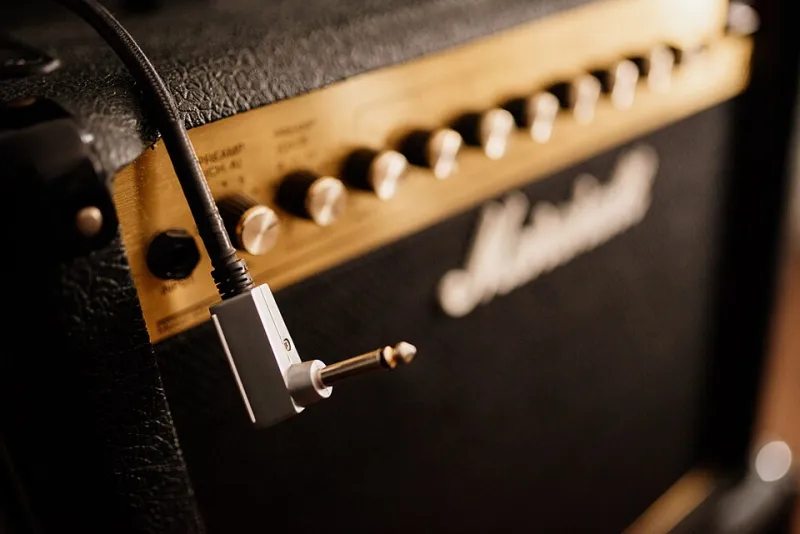
Photo: Shixart1985, CC BY 2.0, via Wikimedia Commons
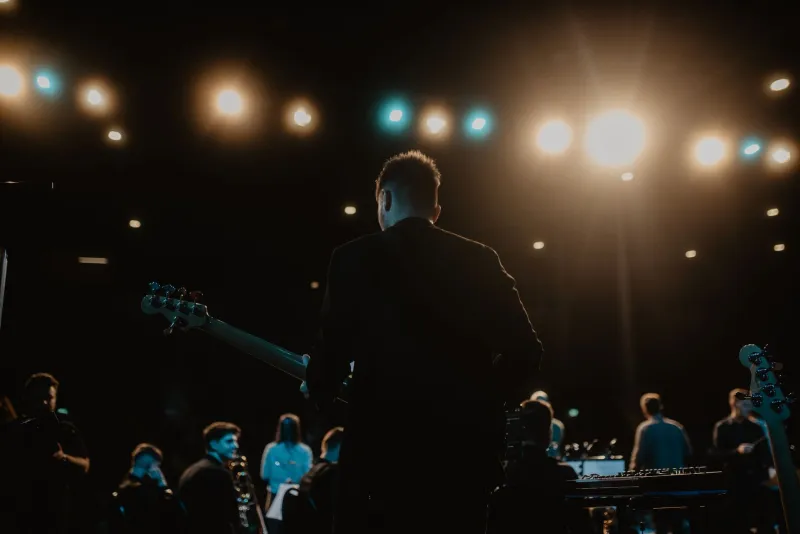
Picture the scene. Doors are at seven, the first band is soundchecking, and someone is crouched behind a drum kit asking the question that has launched a thousand Manchester group chats: “Who’s got a spare amp?”
It is not the most romantic image of the city’s music scene. There is no stage lighting in it, no wristband, no guest list. But the borrowed backline — the amps, cabs, drum shells, pedals, DI boxes and cables that move between musicians, promoters and venues — is one of the quiet systems that keeps small gigs affordable and possible. In a city with no shortage of bands and a finite number of good rooms, the lending network is part logistics, part trust exercise and part social contract.
The six o’clock question
Backline trouble rarely announces itself early. It tends to arrive around 6pm on a show day, just as people are leaving work or hauling gear onto a bus. A guitarist’s amp has died. A drummer’s kick pedal has gone missing. The headline act has turned up with a head and no cab. Someone’s car has been borrowed by a relative. The venue’s house amp is “somewhere” but nobody can find the power cable.
That is when the messages start flying. Promoters put out calls in WhatsApp groups. Band members tag friends who might be nearby. Venue staff check cupboards for a working spare. Someone in Salford messages someone in Levenshulme about a combo amp that can be picked up in twenty minutes. A cab is ordered. A favour is called in. The show, usually, goes on.
“You can plan a set for weeks and still end up solving the gig in the last hour,” says one Manchester promoter who runs small-capacity shows across the Northern Quarter and Ancoats. “The bands are brilliant at it. They share. They borrow. They know who has what. But it only works because people actually turn up when they say they will.”
An economy built on names, not invoices
The backline economy is not really an economy in the formal sense. Money rarely changes hands. There are no rental agreements, no deposits, no terms and conditions. Instead, there are names. There is the drummer who has a spare snare and will lend it if you collect it. There is the guitarist with two amps who would rather one of them was played than sat in a spare room. There is the promoter who keeps a box of cables “for emergencies” and the venue manager who knows exactly which cupboard the house amp lives in.
That informal system is particularly important in smaller rooms, where a full backline share can make the difference between a workable door split and a loss. If three bands each need to bring a full rig, the cost in taxis, time and stress adds up. If they can share a drum kit and a couple of amps, the night becomes lighter for everyone. It also makes bills more mixed, because a band without a van is not automatically ruled out.
“It’s not about being tight,” says a Manchester musician who plays in two bands and regularly lends a Fender-style combo. “It’s about practicality. If I’m not using it, and someone needs it for a gig in Withington, why wouldn’t I? But I do want it back the next day, and I do want to know it’s not going to come back with a pint on it.”
Etiquette is the currency
Because there is no contract, etiquette does most of the work. The rules are rarely written down, but they are widely understood. Return gear clean. Do not change settings without asking. Replace broken strings or cables if you can. Label your own leads. Do not disappear with a borrowed pedalboard. If someone drives across town to drop off a cab, say thank you properly and do not make them chase you for it afterwards.
The etiquette extends to how people ask, too. A vague “anyone got an amp?” is less useful than a clear request: what size, what time, where from, and when it will be returned. Promoters often act as intermediaries, matching needs to available gear without turning the night into a rental desk. Venue staff sometimes step in with house equipment, but they are careful about it — a borrowed house amp that goes missing is a problem for the next show, not just this one.
There is also a social ledger. Someone who lends generously tends to get help back when their own rig fails. Someone who repeatedly borrows and returns late, or not at all, finds the group chat goes a bit quiet. In a scene built on favours, reliability is the real currency.
When the promise goes quiet
The system’s weak point is the same as its strength: it depends on people. A promise made on Tuesday can look shaky by Saturday. A borrowed amp that was definitely available can suddenly be needed by its owner. A drummer who said they had a spare shell may discover it is in a rehearsal room in Trafford. At 6pm, that is not a small problem.
What happens next is usually a blend of panic and improvisation. The promoter checks the venue’s storage. The band asks the other acts on the bill. Someone offers a smaller amp and the guitarist rethinks their clean tone. A support act shares a cab. A friend-of-a-friend drives over with a spare pedal. Occasionally, the solution is simply to adjust the set: fewer effects, a different arrangement, a quieter intro.
“The shows that nearly fall apart are often the ones that feel most like a scene,” the promoter says. “Everyone mucks in. But you don’t want to rely on chaos. The best nights are the ones where the favour was confirmed, the gear was labelled, and everyone knew where to be.”
Why the amp chain matters
Manchester’s music reputation is often built on big stages and famous names, but the everyday reality is smaller and more practical. It is people carrying gear on buses, borrowing cabs, sharing drum kits and texting across postcodes to keep a night on track. The backline-lending economy is not glamorous, and it is not meant to be. It is a support system, in the plainest sense.
It also says something about how the city’s gigs survive. In 2026, with costs still pressing on venues and musicians alike, sharing equipment is not just a nice gesture. It is a way of making bills add up, bills more varied and shows more possible. The next time you see a band plug into an amp with someone else’s name on the back, you are watching the favour economy at work. It is holding the night together, one borrowed cable at a time.