Input Lists and Honest Ambition: The Riders Manchester Promoters Actually Read
There is a particular moment in a Manchester gig day when the romantic stuff falls away. The flyers are up, the support has loaded in, and someone in a hoodie is squinting at a PDF on a phone. It is the rider: the technical and hospitality sheet that tells the room what the band needs before anyone plays a note. In a basement in the Northern Quarter or a converted space in Salford, that document can be the difference between a calm soundcheck and a hour of quiet panic.
Riders get a bad reputation. They are imagined as demands — bowls of specific crisps, a particular brand of amp, a dressing room that does not exist. But in Manchester’s small-venue circuit, the rider is less a contract than a first impression. It tells promoters how a band thinks, how they communicate, and whether they have looked at the room they are actually playing.
The document nobody sees until it matters
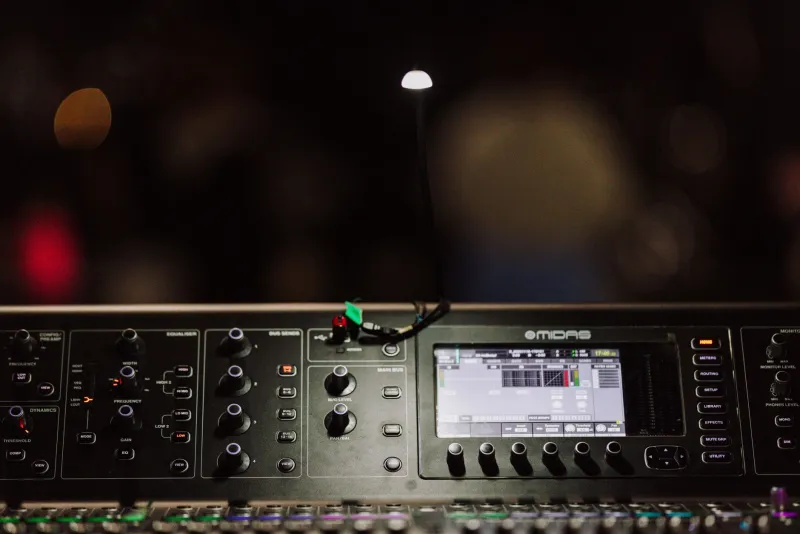
Sound engineers tend to go straight to the input list and stage plot. How many channels? Who needs a DI? Is the drum kit shared or full? Where does the power sit? Promoters, meanwhile, read the hospitality section and the logistics: arrival time, parking, guest list, whether anyone is travelling from outside Greater Manchester. The two readings are different, but they meet in the same place — the practical reality of the room.
A good rider is not necessarily short. It is accurate. A band that sends a clear one-page sheet with an input list, a simple stage plot and a named contact is easier to work with than one that sends a beautifully designed twelve-page document with no running order. The engineer does not need the band’s biography. They need to know which cable goes where.
What a Manchester room can actually give you
Small venues are not smaller versions of academies. They have low ceilings, tight load-ins, shared backline and neighbours who may or may not be sympathetic. A room that holds 80 people might have a four-channel desk and a house drum kit that has seen three bands already that week. Asking for a full backline and a dedicated monitor engineer is not ambitious; it is a sign that nobody checked.
The best riders acknowledge the room. They say what the band can bring, what they hope the venue can provide, and where the fallback lies. “We can supply our own cabs” is useful. “Must have two guitar amps” in a venue with one working combo is not. Manchester promoters are generally problem-solvers, but they cannot solve a request that arrives at 6pm on the day.
Hospitality, guest lists and scene etiquette
Hospitality is where riders get personal. A request for a few beers, some water and a vegan option is not outrageous. A request for a specific brand of soft drink and a fruit platter in a pub back room is worth a conversation, not a scandal. The issue is not the ask; it is the assumption. Small venues often work to a rider budget, and many will meet reasonable requests if they know in advance.
Guest list is a separate beast. Promoters read it closely because it affects door money, capacity and the delicate politics of plus-ones. A band that lists twelve guests for an 80-cap room is asking the venue to absorb a lot. A band that says “two guests, happy to pay for extras” is showing scene etiquette. These details do not make or break a career, but they do shape how a promoter feels about the night.
Where ambition meets a cramped back room
The gap between ambition and reality is often visible in the rider. A band that has been listening to festival riders online may write for a stage they have not played yet. That is understandable. But a rider should scale to the gig. In a Manchester back room, the opening act may be sharing a vocal mic and a drum kit. The headliner may have a headline-sized rider. The support should not.
Promoters notice when a rider includes a “nice to have” section. It signals flexibility. It says: this is what we need to sound like us, and this is what would make the day easier. That distinction is gold in a small venue. It also gives the engineer permission to say yes to the essentials and no to the extras without it feeling like a rejection.
How to write a rider that helps rather than annoys
Keep it to one page if you can. Put the input list first, then the stage plot, then power and backline, then hospitality. Name a contact who will actually answer their phone. Mark anything you are bringing yourself. If you need a DI, say so. If you can share a drum kit, say so. If you need a specific monitor mix, explain it in plain English rather than assuming the venue knows the reference.
Send it early, ideally a week before the gig, and update it if things change. Bring adaptors, gaffer tape and a spare cable — not because the venue is badly run, but because small rooms run on resourcefulness. And if the rider is long, add a short summary at the top: three lines that tell the promoter what matters most.
The rider is not the opening act, but it does set the tone. In Manchester, the best ones read like a conversation between people who want the same thing: a good gig in a room that is doing its best. The bands that understand that tend to get the benefit of the doubt when the desk is tight, the load-in is awkward and the soundcheck is running late. That is worth more than a fruit platter.