Borrowed Songs, Local Accents: Inside Manchester’s Cover-Culture Conversation
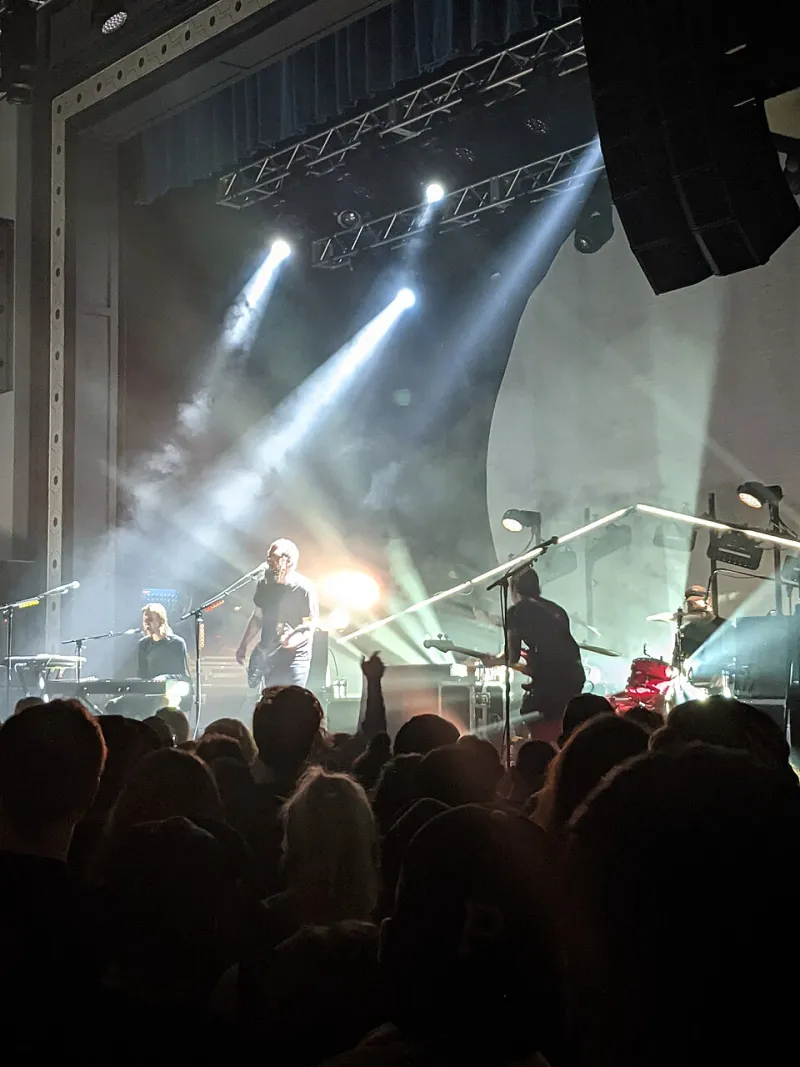
Photo: Matthewvetter, CC BY-SA 4.0, via Wikimedia Commons
There is a moment in a Manchester warehouse at 1am when a band plays a song everyone knows and nobody expected. The original might be a pop hit, a indie anthem, a soul standard. The version on stage is slower, heavier, maybe stripped to a single synth line and a drum machine. The crowd knows every word, but they are hearing it differently. That is not a tribute act. It is a rendition, and in 2026 it is one of the most interesting things happening in the city’s live rooms.
The cover as a local dialect
Manchester has always been a city of borrowed songs and local accents. The cover is not a failure of imagination; it is a form of translation. A song written in Los Angeles or London can be made to feel like it was written two streets away — not by changing the lyrics to mention a chippy, but by changing the tempo, the instrumentation, the space between the notes. The best Manchester covers do not mimic. They relocate.
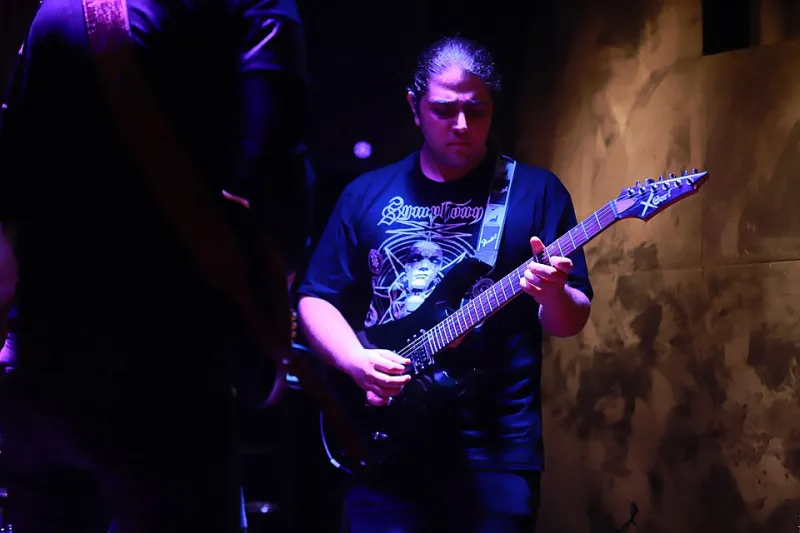
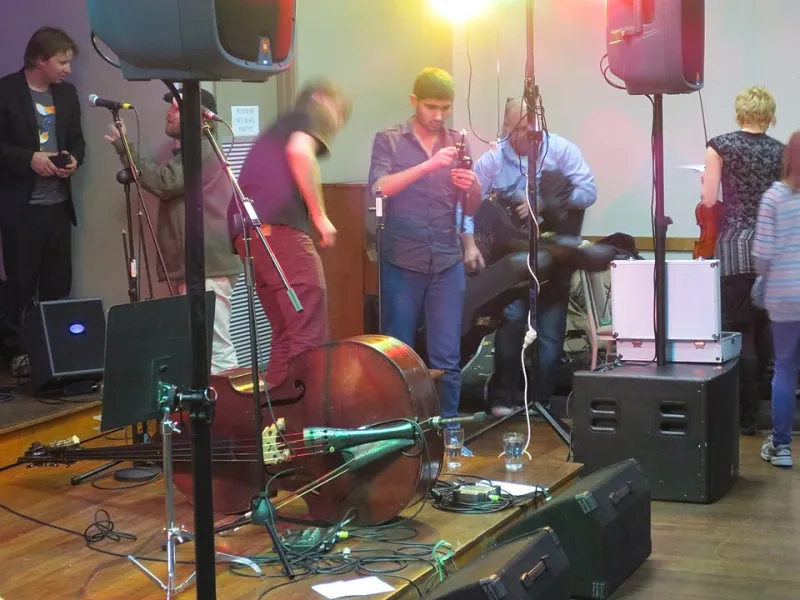
You can hear it in the Northern Quarter bars where acoustic acts turn dance tracks into slow, haunted ballads. You can hear it in Salford basements where post-punk bands take a chart song and strip it of its sheen. You can hear it in the club nights where DJs edit a familiar vocal over a completely different rhythm and watch the room re-learn it in real time. The cover is a conversation with the original, and Manchester is very good at talking back.
The creative case
For musicians, the cover is a tool. It can test a new texture without asking an audience to invest in an unknown song. It can bridge a crowd that has come for the familiar and stay for the strange. It can be a tribute, a joke, a protest, a palette cleanser. A well-chosen cover can also reveal what an artist actually sounds like: take away the songwriting and you are left with the arrangement, the voice, the choices.
‘A cover is like a borrowed room,’ says Jess Marlowe, a Salford singer-songwriter who has been playing the Greater Manchester circuit for the past few years. ‘You can rearrange the furniture, but people still know the shape of the house. If you do it right, they leave knowing more about you than they did before.’ That is the creative case in one line: the cover is not the opposite of originality. It is a way of demonstrating taste.
Promoters know this too. A familiar song in the middle of a bill can hold a room together. It can give a new act a hook, or give a headline act a moment of release. ‘You programme a night like a setlist,’ says Callum Reid, who runs small-capacity shows across Ancoats and the Northern Quarter. ‘You need peaks, you need breathers, you need a moment where the audience feels like they are in on the joke. A great cover does that faster than almost anything else.’
The commercial case
There is also a less romantic reason covers are everywhere: they work. They fill rooms. They get shared. They give a new band a way to be booked before they have ten originals. In a cost-of-living squeeze that has hit venues, artists and audiences, a familiar song can be the difference between a quiet Tuesday and a decent night. That is not a sell-out; it is a survival strategy.
But the commercial case has limits. A cover can get you a first listen; it will not build a career on its own. The smartest artists use them as a doorway, not a residence. They pair a well-known song with an original that sounds like it belongs in the same set. They record covers carefully, aware that releasing a cover is a different legal and licensing job from playing one live. They build an identity that can survive the moment the familiar song ends.
For venues, the calculation is similar. A covers night can pay the bills. A covers-only policy can make a room feel like a function. The balance is in the booking: give the audience something to hold on to, then give them something they did not know they needed. Manchester audiences are not stupid. They will follow a good original if the night has given them a reason to trust the stage.
The pushback
Not everyone is convinced. There is a familiar criticism that cover culture encourages laziness, that it turns original artists into human jukeboxes, that it makes the scene sound the same. There is truth in the warning. A bad cover is karaoke with better gear. A city full of bands chasing the same three crowd-pleasers is not a healthy city.
But the answer is not to ban the borrowed song. It is to raise the bar. A rendition should have a point of view. If you are going to play a song everyone knows, play it as if you have something to say about it. Change the arrangement. Change the context. Change the gender, the tempo, the ending. Make the audience hear the original differently on the walk home. That is the difference between filling time and making a moment.
What makes a Manchester rendition
A Manchester rendition is not defined by accent or postcode. It is defined by intent. It takes something familiar and asks what it sounds like here, now, in this room, with these people. It can be a warehouse rework, an acoustic tribute, a festival singalong or a late-night edit. It can be funny or deadly serious. What matters is that it is not passive. The cover is the point when the cover is doing work.
In 2026, that work matters. The city’s live scene is still rebuilding its confidence, still arguing about ticket prices and door splits and what a night out should cost. In that argument, the cover is not the enemy of the original. It is one of the ways audiences learn to trust a stage again. Give them a song they know, then give them a reason to stay for the one they don’t.