The Table Is the Label: How Manchester’s Gig Merch Became a Scene-Builder
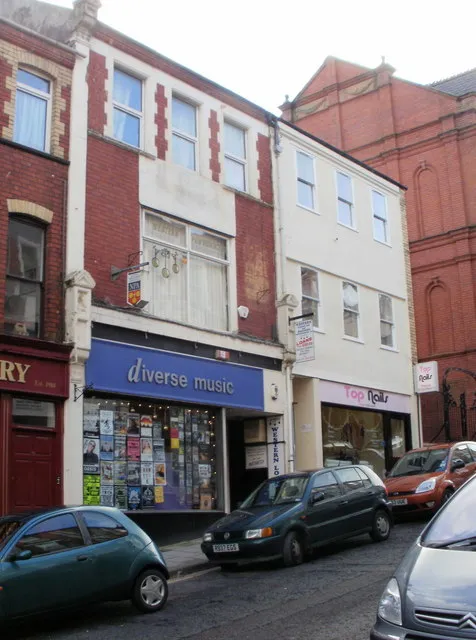
Photo: John Grayson, CC BY-SA 2.0, via Wikimedia Commons
There was a time when the merch table was an afterthought: a folded cloth, a card reader, a stack of CDs. In 2026, it is often the most interesting part of a Manchester gig. It is where the band’s visual identity lands before the first song, where the zine sits next to the tape, where the screen-printed tee tells you more about the artist than the bio in the listing.
This is not just about selling stuff. The table has become a form of A&R, a design studio and a community noticeboard rolled into one. It is how local artists announce themselves, how promoters spot momentum, and how audiences take a piece of the night home. The design is half the story because the table is often the first real collaboration between a musician and a visual artist.
From Fold-Out Table to Front Window
Walk into a small Manchester venue on a Friday night and the table is usually near the door. It is deliberately placed: you see it on the way in, and you see it again on the way out. At that table, a limited tape run of fifty sits beside a zine, a sticker sheet and a tee printed in a Salford studio.
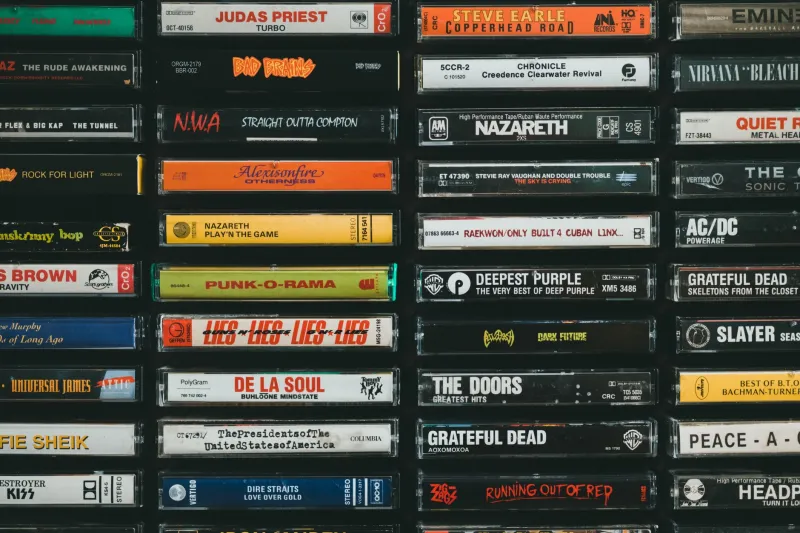
For many artists, the merch is not an add-on. It is the release. A cassette with a hand-stamped label can feel more like a statement than a Spotify link. A zine can carry lyrics, photos and notes that would never fit in a press release. A tee can be a walking poster for a scene that does not have a marketing budget.
The Design Is the Handshake
“If the tee looks like the band, you have already heard the band before they play,” says Mara Okafor, a screen printer who works out of a shared studio in Salford. She has printed runs for local punk, electronic and folk artists in 2026. “The best merch is not a logo slapped on a blank. It is a visual language. It tells you what kind of room you are in.”
That language is often built on restriction. Small runs mean fewer colours. Cheap paper means photocopies and stamps. Limited tapes mean hand-written labels and folded sleeves. The constraints are not a weakness. They are the aesthetic. A misprinted tee can become a one-off. A zine stapled at the kitchen table can feel more immediate than a glossy booklet.
What the Shops See
Independent shops in Greater Manchester are part of this chain. Art shops sell the screen-printing supplies. Record shops take local tapes on consignment. Printers in Salford and Stockport run short batches for artists who cannot afford a big order. The table is the end point, but the network behind it is local and practical.
A buyer at a Northern Quarter record shop puts it plainly: “We see the same names coming through on tape before they show up on a gig poster. The merch is often how we first hear about them. If someone has made the effort to design a sleeve and press a run, they are usually serious about playing live.”
That is the A&R angle. Bookers and promoters watch the table. Not because a tee is a guarantee of quality, but because it signals that an artist understands presentation, audience and the small economics of being in a band. A table with a queue is a data point. A table with a well-designed zine is a conversation starter.
The Table as a Meeting Point
The merch table is also a social space. It is where friends gather after the set, where strangers ask about the tape, where the artist actually meets the people who came. In a city with a lot of small venues, that proximity matters. You are not separated by a barrier or a guest list. You are standing next to your own record, talking about it.
That is why the table can build community in a way that a streaming release cannot. It gives people a reason to linger. It gives the artist a reason to be approachable. It turns a gig into a small exchange: money for a tape, a conversation for a follow, a mailing-list sign-up for a future show.
The DIY Trap
But there is a trap. Not every artist can afford to make merch. Screen printing costs money. Tapes cost money. Zines take time. If the table becomes the main way to get noticed, then the scene starts to reward people with spare cash and spare hours. That is not a meritocracy. It is a filter.
The best versions of merch culture in Manchester are the ones that keep the door open: shared print runs, swaps, cheap photocopy zines, pay-what-you-can tapes, table-sharing between bands. The point is not to turn every artist into a small brand. The point is to give people a way to participate.
The Next Calling Card
The merch table in 2026 is not a side hustle. It is a creative calling card. It is where design, music and community meet in a room with a PA and a card reader. It is how local artists say: this is what we sound like, this is what we look like, and this is where you can find us next.
Manchester’s street culture has always moved through small objects: flyers, records, t-shirts, fanzines. The table is just the latest version. And if you want to know what the city’s next wave looks like, do not start with the headline slot. Start by the door, where the tapes are stacked and the screen-printed tees are hanging off the back of a chair.