The Five O’Clock Dark: Manchester’s Winter Gig Calendar Gets a Rethink
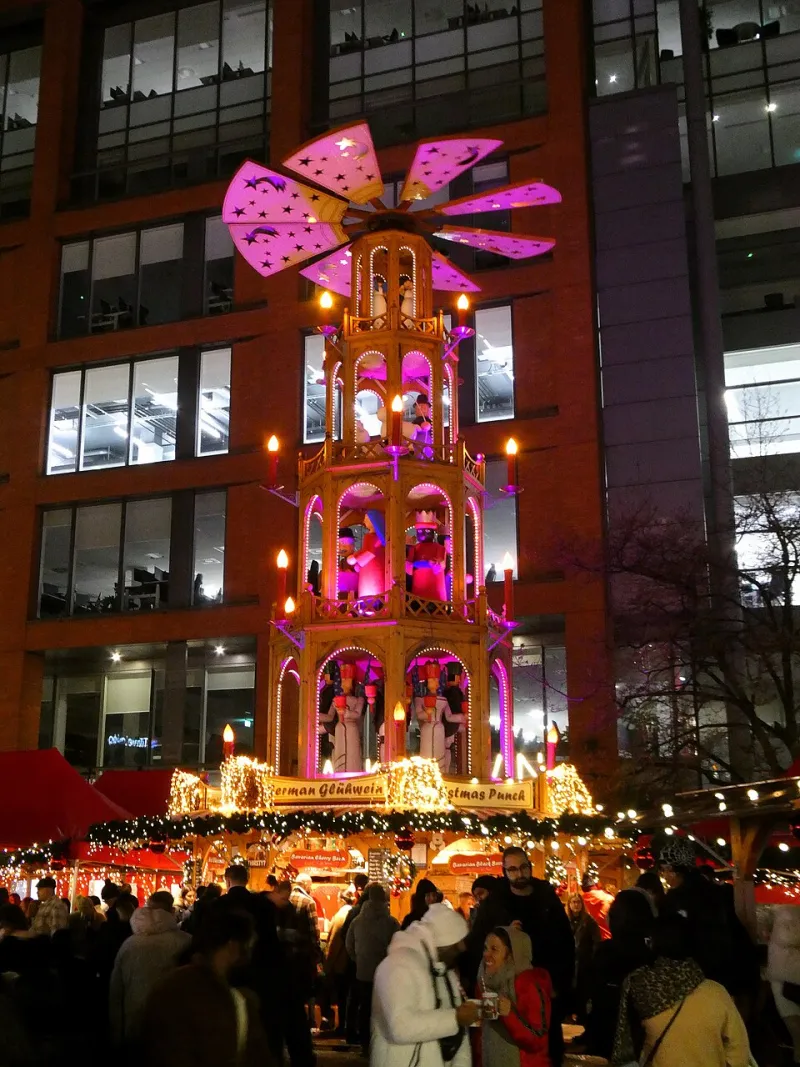
Photo: Gareth James , CC BY-SA 2.0, via Wikimedia Commons
There is a particular Manchester moment in late autumn when the city centre lights come on while the offices are still busy. By 15 November 2026, sunset has already slipped before most people have cleared their desks. By December, it will be properly dark by late afternoon. For gig promoters, that is not just a weather inconvenience. It is a scheduling problem with a bar attached.
The winter gig has always been a different animal. Audiences are more reluctant to hang around, coats take up more room, and the walk between the tram stop and the venue feels longer than it does in June. But the early dark has pushed something else into view: if a midweek gig starts at the usual time, it can feel like a late-night expedition. If it starts too early, it can feel like a matinee. The interesting work in Greater Manchester right now is happening in the space between those two failures.
The new start time
A typical winter midweek bill in 2026 might now run doors at 18:30, first support at 19:15, headliner at 20:30, curfew at 22:30. Not every room has moved, and not every night suits it. But the logic is easy to follow. An earlier finish gets people home on the last tram or a sensible bus. It also asks them to come straight from work, which means the venue has to be ready for a crowd that arrives hungry, cold and carrying a rucksack.
Promoters are learning to say the quiet part out loud: the start time is part of the offer. If the doors time is buried on a poster, people assume the old rhythm. If the first band is on at 19:15, that needs to be on the ticket, the social post and the venue’s screen. The early-night gig only works if the audience knows it is early.
Lighting the room, not just the stage
Winter gigs expose every draught and every dark corner. A room that feels atmospheric in July can feel like a bus shelter in January. The venues getting it right are thinking about the whole space: coat rails that are actually staffed, a warmer front bar, house lights that do not go completely black between bands, and a route to the smoking area that does not involve standing in a puddle.
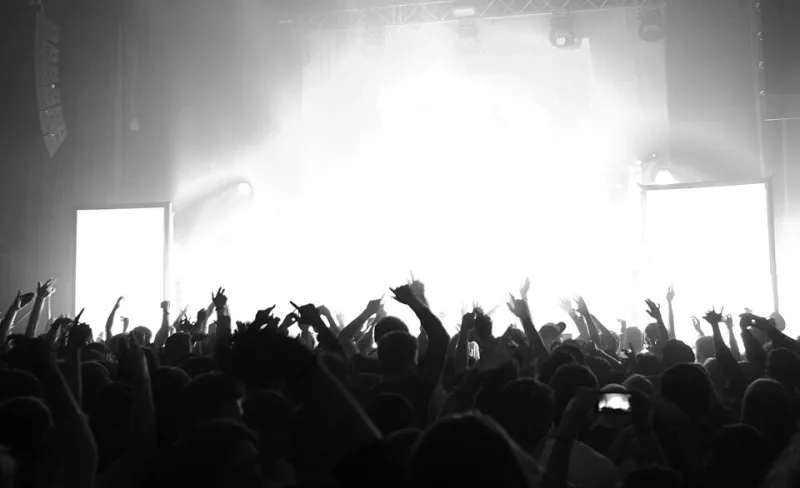
The lighting has changed too. That long blackout before the headliner can feel exciting in the dark months, but it can also make a room feel colder and more anonymous. Some promoters are keeping a low wash on the audience for longer, using lamps and warmer tones, and cutting the gap between support and headliner. The aim is not to pretend it is summer. It is to make the room feel occupied.
The transport arithmetic
Manchester’s winter gig economy runs on the last mile. The early finish is partly about the tram, partly about the bus, and partly about the cost of a taxi when the night has run long. A 22:30 curfew is not just a licence condition. It is a promise that the audience can leave with the feeling that tomorrow is still possible.
That arithmetic changes the bill too. A two-band night with a tight changeover can feel more attractive than a three-band bill that drags into the next morning. Shorter sets, earlier load-ins and a firmer curfew are not signs of a scene in retreat. They are signs of a scene paying attention. The winter audience is still there. It just wants to know when the last act finishes before it commits.
The matinee trap
The risk is obvious. Move everything earlier and you can accidentally create a gig that feels like an afternoon event with a bar licence. The room needs to keep its night-time shape: low enough light, a proper soundcheck, a headliner who plays like the night matters, and a crowd that has had time to settle. A 20:30 headliner is not a matinee if the room is warm, the sound is full and the bar is moving.
Some venues are using the early slot for listening nights, acoustic bills and local supports that suit a sit-down crowd. Others are keeping the weekend for the longer, later nights and treating midweek as a separate rhythm. That feels honest. Manchester does not need every night to run until midnight. It needs the nights that do run to feel worth the journey.
What audiences want
The winter gig-goer is not asking for much: clear times, a warm room, a decent changeover, and a route home that does not involve a heroic taxi fare. They are also asking venues to be honest about capacity and comfort. If the coat rail is full, say so. If the last tram is at 23:30, put it on the socials. If the doors are at 18:30, make that the headline, not the small print.
The early dark has not killed the midweek gig. It has made the midweek gig more deliberate. The best winter nights in Manchester right now are the ones that understand the city is already in night mode by the time people finish work. They do not fight it. They meet it at the door, take the coat, and get the first band on before the room has time to think about going home.