Quieter by Design: The Unwritten Rules Keeping Manchester's Residential Gigs on Speaking Terms with the Street
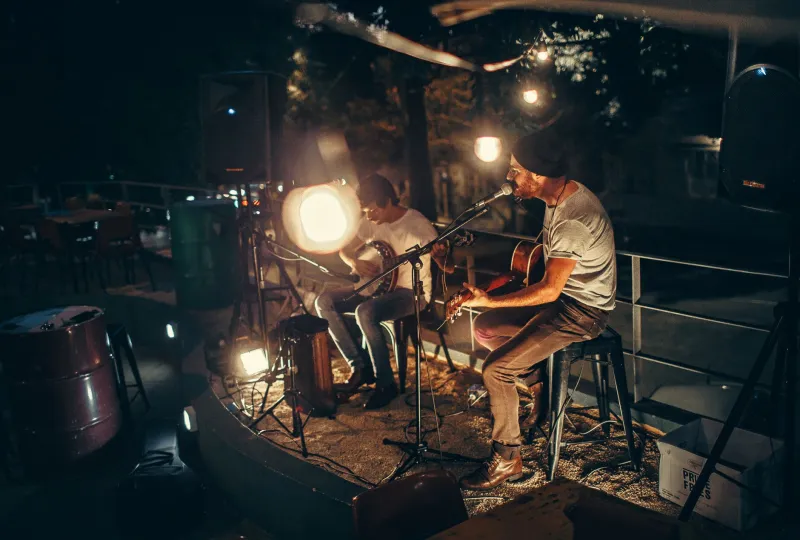
At 9:45pm on a Thursday in a Chorlton function room, the sound engineer pulls the master fader down by two decibels. The band on stage is mid-song, the room is half-full and nobody in the audience notices. But the engineer does. They know the terraced houses behind the venue have chimneys that carry bass, and they know one of the neighbours has a six o'clock start. The 11pm curfew is still more than an hour away, but the work of keeping the peace has already begun.
The Curfew Starts at Soundcheck
Most people think of a residential venue's curfew as a single moment — the handbrake at 11pm, the lights up, the last song. In practice, the curfew is a series of small decisions that start long before doors open. It begins at soundcheck, when the engineer walks the perimeter of the building and listens from the street. It continues through the set list, when a promoter might ask a band to swap a bass-heavy closer for something with more mid-range. And it ends with the door staff, the smoking area and the taxi rank outside.
"You're not just mixing for the room," says a sound engineer who works across venues in Levenshulme and Withington. "You're mixing for the street. Low end travels. If I can hear the kick drum from the bus stop, so can the people in the flats opposite. So I'll high-pass the bass a little, or I'll keep the subs lower than I would in a city-centre room. It's not about being quiet. It's about being tidy."
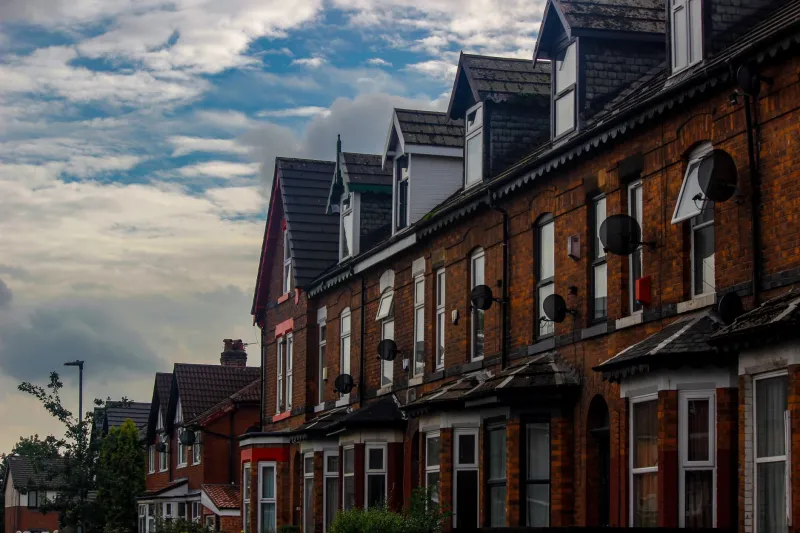
That tidiness is the unglamorous backbone of Manchester's small gig scene. The city's backstreet pubs, converted shops, community halls and function rooms sit cheek by jowl with terraced housing, late-night takeaways and residential blocks. The romance of the grassroots venue is real, but so are the thin walls.
The Letter as a Genre
Ask a venue manager what keeps the neighbours onside and you won't hear about soundproofing first. You'll hear about communication. Many residential venues send letters to nearby households before a licensing application or a new weekly night. The letters are not glossy marketing; they are a genre of their own. They explain what's happening, when it will finish and who to call if it doesn't.
One promoter in Salford describes a handwritten note that a resident sent after a particularly loud Saturday. It wasn't a complaint to the council. It was a request: could the band finish with an acoustic song next time? The promoter passed it to the sound engineer. The next week, the encore was unplugged. The resident came to the following gig.
"We'd rather they call us than the council," the promoter says. "A phone call is a conversation. A council complaint is a file. Once it's a file, everything gets harder."
That logic shapes door policies too. Some venues ask gig-goers to leave quietly, to keep smoking-area chatter down and to book taxis from the main road rather than the residential side street. It isn't about policing fun. It's about protecting the licence that makes the fun possible.
The Curfew Is Not a Single Number
The 11pm handbrake is a useful shorthand, but the reality is more nuanced. A venue on a high street might have a midnight licence; a converted shop in a residential block might have to stop music at 10:30pm. Some rooms programme acoustic sets after 10, knowing that a solo guitar won't carry through a Victorian terrace the way a full drum kit will.
Promoters learn to read the calendar as well as the room. Friday and Saturday nights are for louder bands. Midweek gigs are for quieter sets, listening crowds and earlier finishes. The set times are not just about audience habits; they are about the street outside.
"You're always thinking two hours ahead," says a venue manager in Ancoats. "At 9pm you're thinking about 11pm. At 11pm you're thinking about 11:20pm, when the last people leave. The gig isn't over when the band stops. It's over when the street is quiet."
The Economics of Being a Good Neighbour
The compromises cost money. Soundproofing is expensive. Losing fifteen minutes of a headline set to a curfew means selling fewer drinks. Turning down a loud band because the neighbours have had a hard week means a smaller crowd. But the alternative — a noise abatement notice, a licensing review, a venue that closes — is worse.
The "agent of change" principle, which puts the responsibility for sound mitigation on the developer of new residential buildings near existing venues, is part of the conversation. But on the ground, it's often just goodwill. Residents who moved in after the venue opened still have to live there. Venues that were there first still have to keep the peace.
"It's a relationship, not a rulebook," says a resident who lives above a venue in Chorlton. "I don't want it closed. I want to be able to sleep. Most of the time, we manage that. The bad nights are when nobody's talking."
The Street Outside at 11pm
The measure of a good night, then, isn't just the room. It's the street outside at 11pm. Are the smokers keeping their voices down? Is the taxi rank on the right corner? Has the door staff checked the alleyway? Is the last song one that won't rattle the windows?
It's unglamorous diplomacy, conducted in decibels and handwritten notes. But it's the reason Manchester's small rooms are still here — and the reason the neighbours haven't given up on them yet.